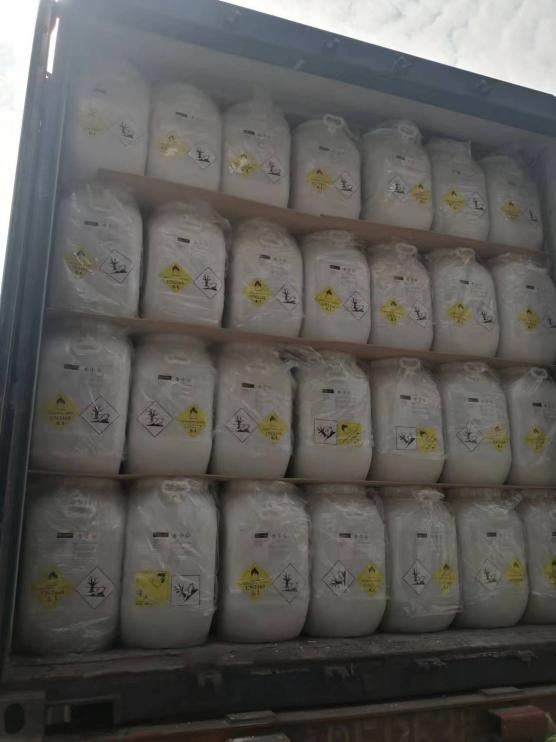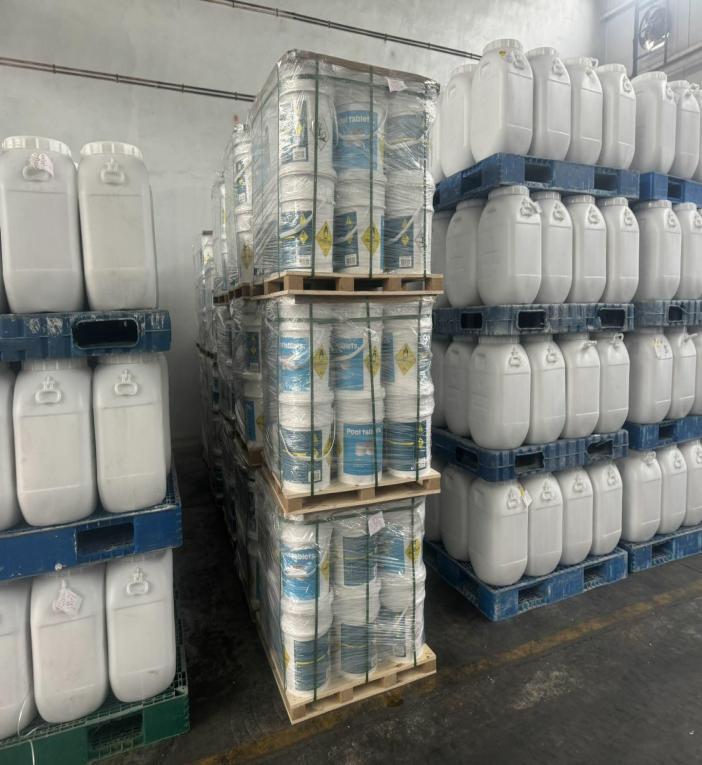


Ammonium Sulphate
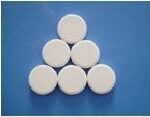
- Appearance: Tablet
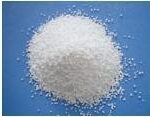
- Granular: Powder
Appearance: White crystalline solid, free-flowing and non-hygroscopic.
Chemical Formula: (NHâ‚„)â‚‚SOâ‚„
Nitrogen Content: Approximately 21% (as ammoniacal nitrogen).
Sulfur Content: Approximately 24% (as sulfate sulfur)
Product Feature
Ammonium Sulphate is a white crystalline solid with the chemical formula (NH₄)₂SO₄. It contains about 21% nitrogen and 24% sulfur, making it an excellent dual-nutrient fertilizer. The product is easily soluble in water, slightly acidic in nature with a pH of 5.0–6.0 (in 1% solution), and has a density of approximately 1.77 g/cm³. It is non-flammable, non-hygroscopic, and stable under normal conditions. Ammonium Sulphate decomposes at about 235°C and should be stored in a cool, dry place away from alkaline materials to prevent ammonia release. It is compatible with most fertilizers and is known for its consistent composition, high purity, and long shelf life. The main function of Ammonium Sulphate is to provide essential nitrogen and sulfur nutrients that promote strong plant growth and improve soil fertility.
Performance Parameters
| Product Name | Ammonium Sulphate |
| Formula | (NH4)2SO4 |
| Uses |
It be used in farming vegetables and forest as fertilizer. The product can be suitable to kinds of soils. When we use it as fertilizer we'd better to treat it in auxiliary fertilizer. The using amount often be 15 to 20Kg per 667m2. The product be easy to melt in water and be hard to absorb the moisture. So it be easy to stock and use, it also can be used to make sulfur compound fertilizer.
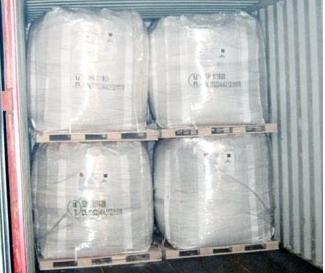
|
| Style |
pure-white crystal, Granule
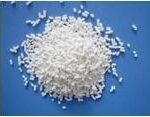
|
| Nitrogen content | ≥20.5% |
| Moisture content | ≤2% |
| Fe content | ≤50ppm |
| As content | ≤10ppm |
| Output | The annual output of Ammonium sulphate is 100.000MT. It be popular in the domestic market and international market in fine quality. And it be exported to southeast Asia, Europe and other countries. |
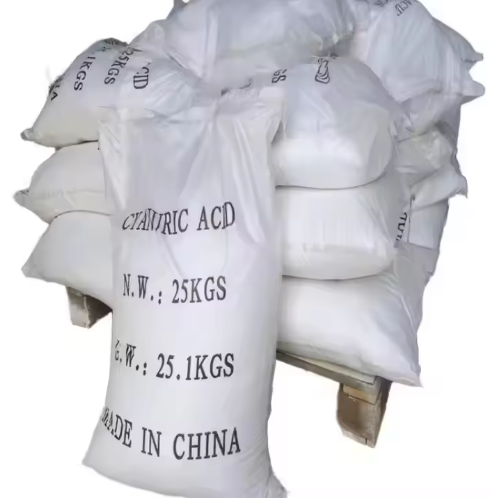
Main Application
Ammonium Sulphate is primarily used in agriculture as a nitrogen fertilizer suitable for various crops such as rice, wheat, maize, cotton, potatoes, fruits, and vegetables. It enhances plant growth, promotes chlorophyll formation, and improves protein synthesis while enriching soil with sulfur. In water treatment, it is used as a source of ammonia in the production of chloramines for water disinfection. In the pharmaceutical and biotechnology industries, Ammonium Sulphate plays a vital role in protein purification and enzyme crystallization through fractional precipitation. It is also utilized in the food industry as a stabilizer and fermentation aid. Additionally, it finds applications in chemical manufacturing for producing other ammonium salts and flame retardant compounds. In the textile and leather industries, it serves as an auxiliary chemical in dyeing, tanning, and finishing processes. Furthermore, it is widely used in laboratory biochemistry and analytical research for salt precipitation and protein separation.
Faqs
A white crystalline solid ((NHâ‚„)â‚‚SOâ‚„), soluble in water, odorless. It is a high-efficiency coagulant aid for water treatment, chemically stable, and enhances flocculation effect in water purification.
Water treatment (coagulant aid for drinking water, municipal sewage, industrial wastewater); 2. Enhanced flocculation (improves sedimentation of suspended solids); 3. Sludge dewatering (aids in sludge conditioning); 4. Supplementary agriculture (nitrogen fertilizer for crops); 5. Industrial auxiliary (chemical synthesis raw material).
- Purity grade: Water treatment-grade (≥99%), industrial-grade (≥98%), agricultural-grade (≥99%); 2. Crystal form: Anhydrous type (high solubility), crystalline powder (easy to dissolve quickly); 3. Application: Water treatment-specific, general industrial-grade, agricultural-grade.
Drinking water treatment: 10-20mg/L, add after coagulants (PAC/Al₂(SO₄)₃), stir for 10-15min; 2. Sewage treatment: 20-30mg/L, mix with coagulants, maintain pH 6.5-8.0; 3. Sludge dewatering: 0.5-1% of sludge dry weight, mix evenly before dewatering.
Cool, dry, ventilated place (≤30℃); 2. Sealed to prevent moisture and caking (affects dissolution efficiency); 3. Store separately from alkalis, oxidants; 4. Keep away from water treatment chemicals that are incompatible.
React ammonia with sulfuric acid (high-purity for water treatment); 2. Concentration, crystallization; 3. Filtration to remove impurities (meets water treatment standards); 4. Drying, crushing, inspection, packaging.
Wear gloves/goggles during water treatment operation; rinse with water if contact; 2. Do not mix with alkalis (releases ammonia); 3. Dissolve completely before adding to water system; 4. Dispose of waste in accordance with water treatment environmental regulations.
Get A Free Quote
- Please feel free to give your inquiry in the form below. Thanks.