
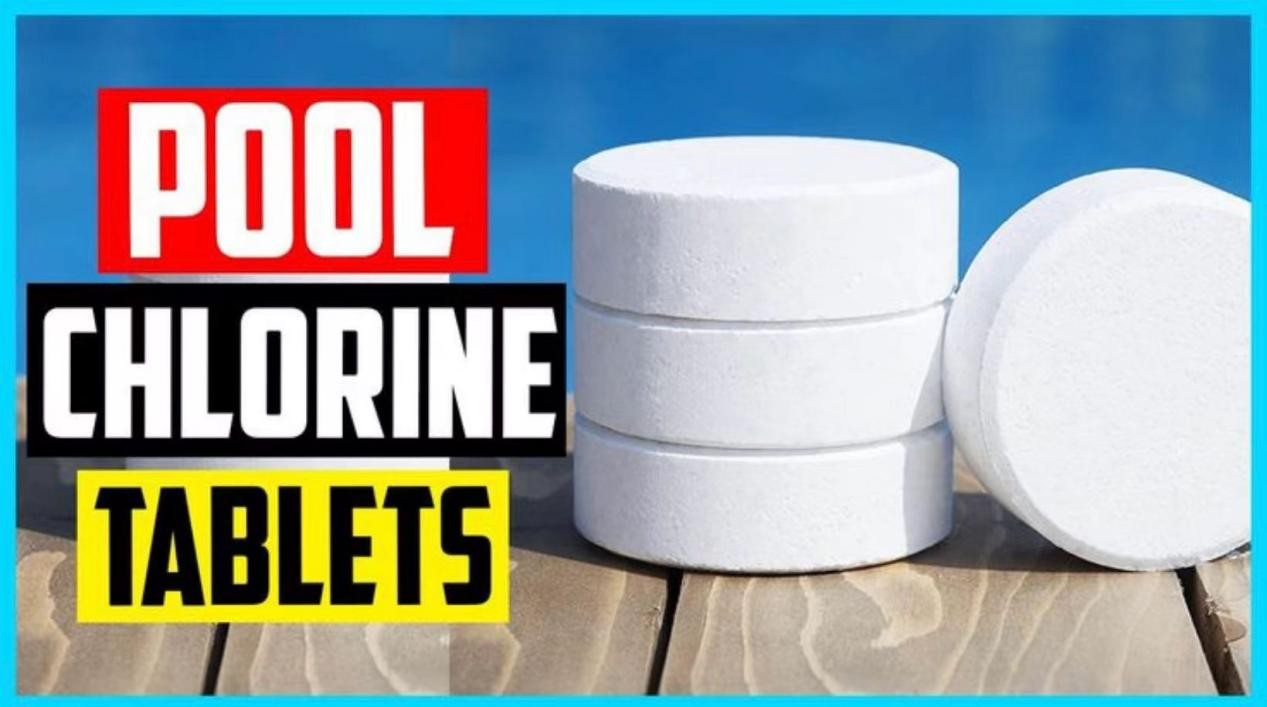
Advantages and disadvantages of trichloroisocyanuric acid
Trichloroisocyanuric acid is the choice for most swimming facilities. The primary advantages and disadvantages are as follows:
Firstly, trichlor is a slow-release disinfectant with 90% available chlorine content, available in forms such as 200g tablets, disinfectant granules, and disinfectant powder. Its notable advantage lies in its high available chlorine content, enabling effective and rapid elimination of various bacteria, fungi, spores, moulds, and other microorganisms. Concurrently, this high available chlorine content allows for cost savings in dosage.
Disadvantages: 1. Slow dissolution. The dissolution of trichlorine with 90% available chlorine is relatively slow. During periods of high pool usage, it may not keep pace with the consumption of residual chlorine.
1. Acidic effect: Use may lower the pH of pool water.
2. Contains cyanuric acid, which readily accumulates in water. At elevated concentrations, it severely inhibits hypochlorous acid’s disinfection efficacy and poses health risks.
Secondly, 2g instant-dissolve tablets with approximately 50% available chlorine content.
Advantages: Rapid release of residual chlorine with neutral pH, exerting minimal impact on water pH levels.
Disadvantages: Persistent cyanuric acid accumulation persists, which cannot be resolved without water replacement.
No chemical solution is flawless, though trichlor is notably effective. It is recommended to combine 90% slow-release tablets with 50% fast-dissolving tablets: the former for continuous disinfection in the dosing tank, the latter for rapid emergency disinfection.